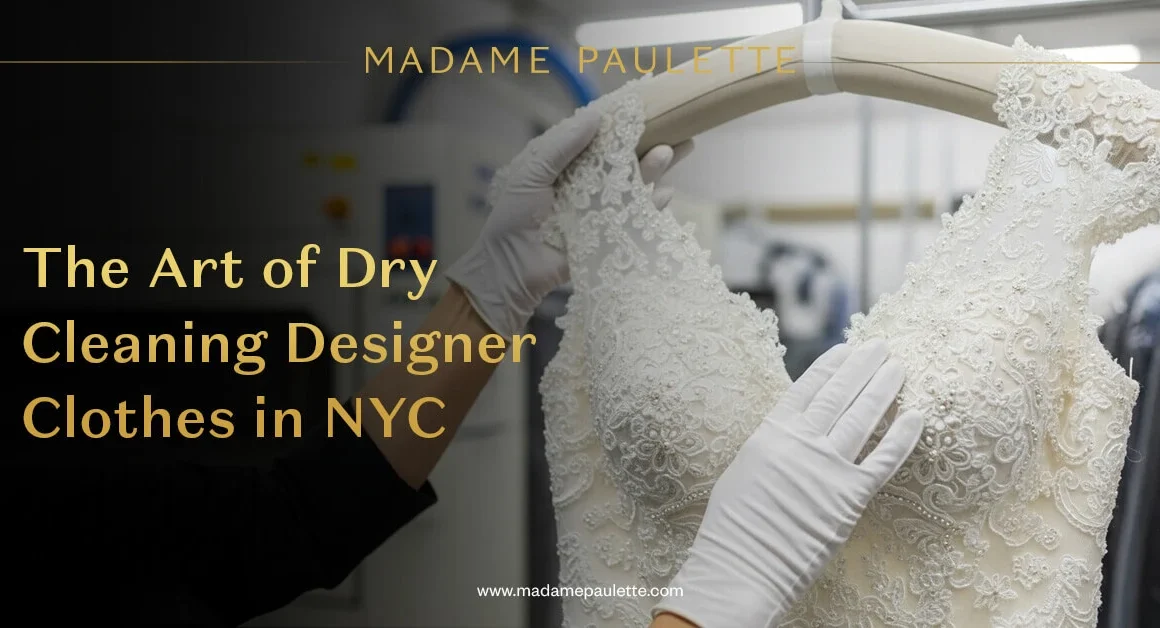
Investing in couture garments is more than just a fashion choice; it is an acquisition of wearable art. Unlike ready-to-wear fashion, which is produced in bulk for the masses, haute couture represents the pinnacle of human craftsmanship and individual expression. These pieces are fundamentally different in their architecture, featuring internal corsetry, hand-finished linings, and textiles that were never intended for a standard washing machine. When a garment is custom-fitted to a client’s specific proportions and hand-stitched over hundreds of hours, it possesses a physical integrity that is both magnificent and incredibly fragile.
Handling such high-value items requires expertise that standard cleaners cannot provide. This is where Madame Paulette’s legacy becomes indispensable. With over 60 years of experience, Madame Paulette has established itself as the global authority on couture & high fashion dry cleaning.
We have spent decades perfecting the art of maintaining heritage, archival, and museum-quality pieces. For those who own these masterpieces, understanding why couture garments require a unique approach is the first step in protecting their long-term value and beauty.
What Makes Couture Garments Truly Unique?
The distinction of couture garments lies in the “hand.” Every stitch is placed with intention, and every fabric is selected for its aesthetic impact rather than its durability in a laundry cycle.
These garments often use proprietary techniques developed in Parisian ateliers that do not exist in the world of fast fashion. Because they are built to a specific silhouette, any slight shrinkage or warping of the internal structure can render the piece unwearable.
Handcrafted Construction
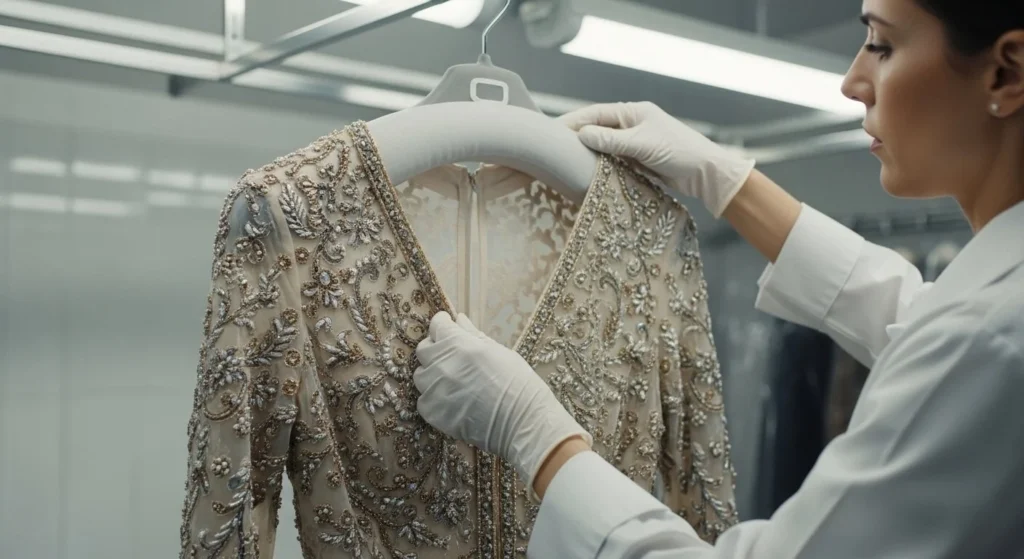
Standard clothing uses surge-stitched seams designed for speed. In contrast, couture garments feature hand-sewn seams that allow for a fluid drape and custom silhouettes. These pieces often feature non-replaceable details such as hand-covered buttons, weighted hems, and intricate “petites mains” embroidery.
These structural elements are under constant tension and require a delicate touch to prevent unraveling during cleaning.
Rare, Delicate, and Experimental Fabrics
Designers of high fashion often reach for materials like silk blends, organza, and chiffon. You might also find metallic threads, horsehair stiffeners, and specialty silk linings that provide the garment with its shape.
These fabrics are not designed for mass cleaning processes. Many experimental textiles used on the runway can react poorly to moisture or heat. Without the right knowledge, these rare materials can lose their sheen or become brittle in a single session.
Why Standard Dry Cleaning Is Unsafe for Couture
Entrusting couture garments to an ordinary neighborhood cleaner is a significant risk. Most local shops use a high-volume business model. They group various items in large machines to maximize efficiency. This “one-size-fits-all” mentality is the primary enemy of luxury fashion.
Harsh Solvents and Mechanical Stress
Professional dry cleaning often relies on aggressive chemical solvents, such as perchloroethylene. These chemicals can be too harsh for natural protein fibers like silk or wool.
Furthermore, standard machines use heavy mechanical agitation. This tumbling action can distort the delicate structure of a gown or weaken the fine fibers that hold the garment together. Specialized dry cleaning avoids these pitfalls by using gentler, eco-friendly solvents and reduced mechanical movement.
Improper Pressing and Finishing Risks
One of the most common ways a luxury garment dry cleaning service is ruined is through industrial pressing. High-heat steam presses are designed for cotton shirts and sturdy trousers. When applied to couture, this heat can cause permanent damage.
It can result in flattened textures, ruined pleats, and a total loss of the original design intent. A specialist knows that a hand-finished garment must be pressed by hand to maintain its three-dimensional form.
The Hidden Challenges of Cleaning Couture Garments
Couture is often a puzzle of different materials. A single dress might combine leather trim with silk velvet and crystal beads. This complexity creates hidden challenges that only expert dry cleaners for couture can navigate safely.
Beading, Embroidery, and Embellishments
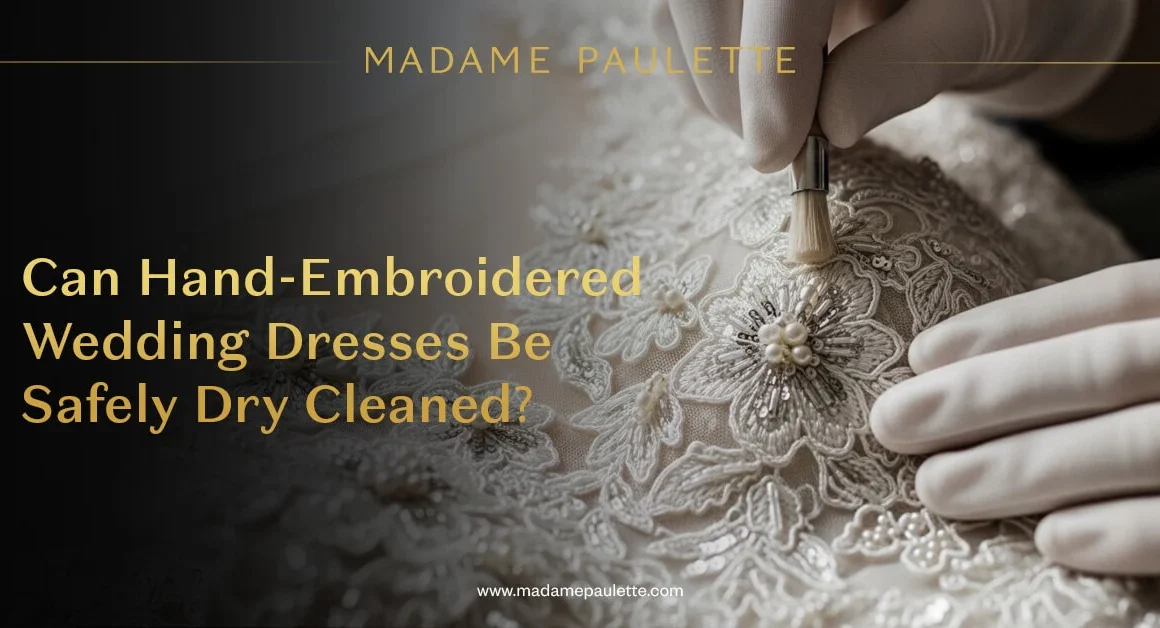
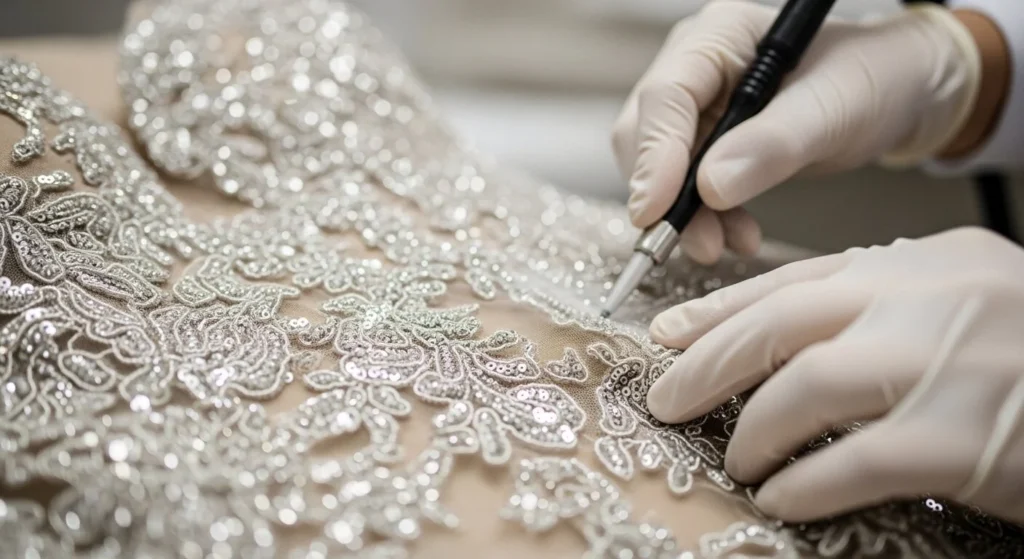
Hand-applied beads and fragile embroidery threads are common in high-end fashion dry cleaning. Standard cleaning solvents can sometimes dissolve the glue used for sequins or cause the dye in colorful threads to bleed onto the main fabric.
There is also a high risk of detachment if the garment is not properly protected. Each embellishment must be tested for stability before the cleaning process begins.
Mixed Materials and Layered Construction
Modern designers love to mix materials. You might see a gown with a wool bodice and a polyester mesh skirt. These different fabrics have different shrinkage rates and cleaning needs.
If a cleaner treats the whole garment as one material, the different layers can pull against each other. This results in a warped silhouette that is almost impossible to fix.
What Specialized Dry Cleaning for Couture Involves
The process at a high-end facility is a multi-step journey. It focuses on precision and individual attention rather than speed.
Individual Garment Analysis Before Cleaning
Every piece of couture clothing care begins with a deep analysis. This includes fiber testing to identify the exact composition of the fabric. Specialists perform colorfastness checks to ensure dyes will not run.
A structural assessment is also conducted to identify any weak seams or loose threads that need reinforcement before cleaning begins.
Customized Cleaning Methods
There is no “standard cycle” for high-end fashion dry cleaning. Methods are customized for each piece. This often involves hand-cleaning, as required, especially in areas with heavy staining or fragile lace.
Specialists use carefully selected solvents to meet the specific needs of the fabric. Minimal agitation techniques are used to ensure the garment is not tossed around violently.
Precision Finishing and Hand Pressing
The final stage is where the artistry of couture garments is restored. Couture-level pressing involves using specialized irons and boards that mimic the human form. This ensures shape retention and detail preservation.
The goal is to return the garment to the owner looking exactly as it did when it first left the atelier.
Why Madame Paulette Is Trusted With the World’s Finest Couture
For decades, Madame Paulette has been the silent partner to the fashion elite. Our reputation is built on a foundation of trust and technical mastery that spans generations.
Over 50 Years of Couture & Restoration Expertise
With over half a half-century legacy, Madame Paulette has seen the evolution of fashion firsthand. We have handled everything from mid-century Dior to modern-day Alexander McQueen.
Our team understands the history of garment construction. This allows them to handle archival and collectible garments with the reverence they deserve. We are more than just cleaners; we are conservators of fashion history.
Trusted by Designers, Collectors, and Cultural Institutions
It is no coincidence that major fashion houses and museums choose Madame Paulette. We are the preferred dry cleaners for couture garments for high-profile clientele who cannot afford a single mistake.
Our museum-quality standards ensure that even the most fragile piece is treated with “white-glove” care. From red-carpet gowns to family heirlooms, we provide unmatched security.
When Should Couture Garments Be Professionally Cleaned?
Many owners of designer dress dry cleaning wonder about the frequency. The general rule is to clean the garment after every wear, even if it looks clean. Body oils, perfumes, and invisible perspiration can settle into the fibers.
Over time, these can oxidize, leading to yellowing or permanent stains. If you plan to store the item for a long period, it must be professionally cleaned first to prevent attracting pests or developing odors.
Couture Garment Preservation Beyond Cleaning
Cleaning is only half the battle. Long-term value protection requires proper preservation. This involves using acid-free tissue paper and breathable muslin bags. You should never store couture garments in plastic bags, as these can trap moisture and cause mildew.
Storing garments in a climate-controlled environment away from direct light is essential to prevent fiber degradation and color fading.
FAQs – Couture Dry Cleaning
Why are couture garments dry clean only?
Most couture pieces use delicate natural fibers like silk and wool that swell and distort when exposed to water.
Can couture garments ever be hand washed?
While some very simple silk items can be hand washed, it is extremely risky for couture. The presence of hidden linings, shoulder pads, and mixed embellishments means different parts of the garment will react differently to water.
How often should couture clothing be cleaned?
Ideally, you should seek couture clothing care after every outing. Invisible stains from champagne, sweat, or hairspray can become permanent if left for too long.
Protecting the Legacy of Couture Fashion
In the world of high fashion, a garment is much more than fabric and thread. It is an investment, a piece of artwork, and often a family legacy. To keep these pieces in pristine condition, one must move beyond standard services and seek specialized dry cleaning. Choosing the right experts, such as those at Madame Paulette, ensures that your couture garments receive the meticulous attention they require.
Whether you are looking for dry cleaning in NYC or a global specialist for your collection, remember that the “hand” of a master cleaner is just as important as the “hand” of the designer.
By prioritizing dry cleaning for designer clothes, you are not just cleaning a dress; you are preserving a masterpiece. Let the experts at Madame Paulette provide the world-class care your wardrobe deserves.