Couture fabrics are living works of art, where every fiber, fold, and flourish is crafted with unparalleled care and precision. Because of their unique composition and intricate structure, they are highly vulnerable to heat, moisture, and mechanical stress. As a result, common cleaning techniques can quickly shorten their lifespan and diminish their beauty. To preserve these fabrics’ original form, texture, and color, and ensure they remain timeless works of art, it is crucial to understand the science behind them.
Madame Paulette has been the industry leader in Couture & High Fashion Dry Cleaning and fabric preservation for more than 50 years. We provide the safest and most efficient care for the world’s most expensive couture clothing through our decades of experience and exclusive methods.
What Makes Couture Fabrics Scientifically Unique
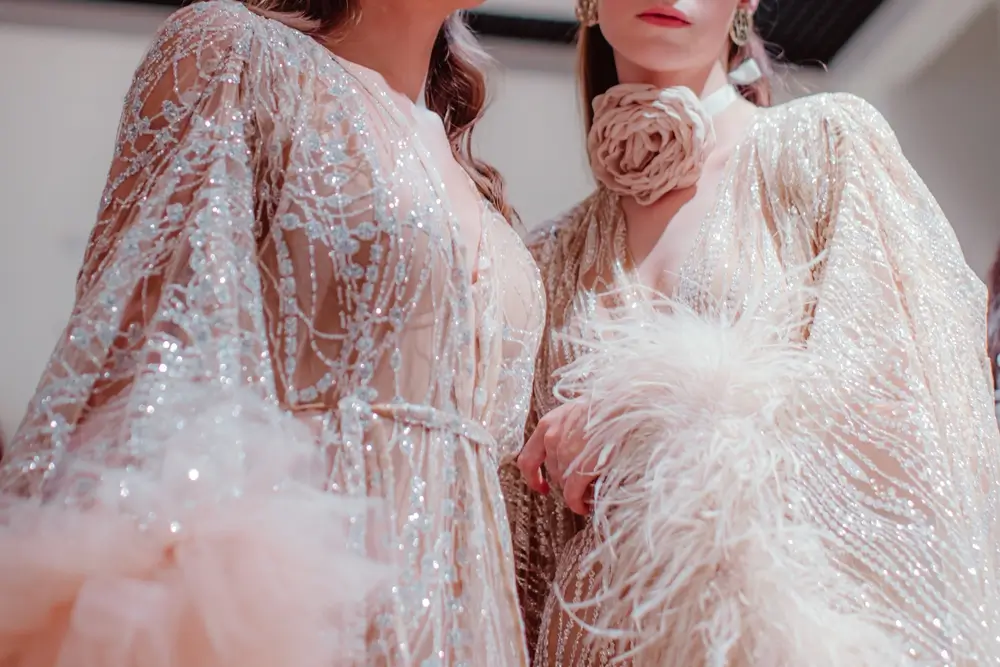
Couture fabrics, made from rare, delicate fibers and crafted with artistic methods, are technically unique. Unlike regular fabrics, handwoven silks, unique blends, natural dyes, and complex structural layers all respond differently to heat, moisture, and movement.
Understanding these intricate relationships is crucial for couture garment preservation, as even minor environmental or cleaning mistakes can alter the garment’s original shape, color stability, and fiber strength.
Rare Fibers and Handcrafted Construction
Rare fibers such as silk, organza, chiffon, lace, tulle, velvet, and vintage textiles that require special care are often used in couture clothing. These textiles are particularly vulnerable to moisture, heat, and friction because many are hand-loomed, hand-dyed, or produced in small quantities.
Since every item behaves differently, luxury fabric care depends on careful handling and an in-depth understanding of the material to preserve both fiber integrity and the handcrafted structure.
Check out our Couture Care for Your Designer Gown forspecific knowledge.
Embellishments and Structural Complexity
Beads, sequins, embroidery, and lace overlays are examples of elaborate decorations commonly used on couture clothing to enhance both aesthetic appeal and structural complexity. Since these specifics involve handling and cleaning, these steps are highly delicate, as using the wrong methods might result in unraveling, separation, or distortion.
Experts working with couture fabrics in New York understand how to preserve these intricate features while maintaining the garment’s overall shape and design integrity.
Why Delicate Couture Fabrics Require Specialized Cleaning
- Fiber sensitivity: If treated like regular clothing, many couture fabrics might weaken fibers or change texture due to their rapid reactions to heat, moisture, and agitation. By using mild, controlled procedures, proper care of haute couture garments takes these sensitivities into mind.
- Chemical reactions: Couture’s delicate dyes, finishes, and embellishments may react poorly with standard dry-cleaning solutions, leading to discoloration or material damage. By choosing fabric-safe treatments, specialized care prevents these responses.
- Structural risks: Couture clothing is more susceptible to shrinking, color leakage, and fabric distortion when handled carelessly. Professional methods maintain the garment’s natural balance, shape, and craftsmanship, something that ordinary dry cleaning is not intended to accomplish.
The Science of Fiber Identification and Fabric Analysis
Understanding the fabric itself is the first step towards luxury fabric care. Experts can predict how a garment will respond to cleaning, moisture, heat, and time with the science of fiber identification and fabric analysis.
Professionals can choose the safest, most efficient treatment techniques by carefully analyzing fiber content, weaving, dye behavior, and embellishments. This ensures that every couture piece is handled with accuracy rather than guesswork.
Fiber Testing and Microscopic Evaluation
Before beginning any treatment, experts can determine the exact composition and state of couture fabrics by fiber testing and microscopic inspection. Professionals can detect flaws, dye instability, or fiber deterioration that might not be apparent to the human eye by examining them under a microscope.
Detailed examination helps protect delicate clothing by guiding safe cleaning and preservation. See our tips for preserving couture for more advice.
Dye Stability and Colorfastness Testing
Testing for colorfastness and dye stability is essential for maintaining couture clothing, particularly those with vintage dyes or numerous colors. Before cleaning starts, experts covertly test small, hidden areas to evaluate how pigments respond to moisture, solvents, and mild agitation. This allows them to identify any risk of bleeding or fading. For antique couture pieces to retain their original beauty, complex patterns, and rich hues, this precaution is crucial.
Professional Methods Used to Clean Delicate Couture Fabrics
Cleaning delicate couture garments requires accuracy, skill, and a deep respect for craftsmanship that goes far beyond basic dry cleaning methods. Experts who work with couture fabrics New York rely on careful apparel assessment, fabric-specific treatments, and controlled procedures intended to preserve fine details, unique textiles, and hand-finished components. This expert method ensures that every item is cleaned safely while protecting its long-term value, structure, and beauty.
Precision Spot Treatment
The goal of precision spot treatment is to remove stains at their origin without damaging the surrounding fabric. Couture experts make sure the stain is removed without bleeding, discoloration, or fiber damage by carefully testing and applying solutions in accurate proportions. For couture clothing, DIY stain removal is risky, as standard home solutions and rubbing methods can weaken delicate fibers, damage fine detailing, or permanently set stains.
Controlled Cleaning Techniques
The fabric, construction, and decorations of each garment are considered when choosing controlled cleaning methods. To get the safest results, experts may choose specialized solvent cleaning, delicate hand cleaning, or a hybrid technique depending on the needs. This specialized procedure ensures the garment is thoroughly cleaned without stress or deformation, while protecting sensitive areas.
See Madame Paulette’s Couture Cleaning Process to find out more about this customized method.
Low-Impact Drying and Finishing
Delicate couture clothing must be protected using low-impact drying and finishing techniques. To avoid shrinkage and fiber stress, pieces are air-dried under precisely controlled, balanced humidity rather than in high-heat dryers. To preserve structure, texture, and fine detailing while allowing materials to relax naturally, garments are finished with moderate steam shaping rather than pressure ironing.
Preserving Couture Fabrics Beyond Cleaning
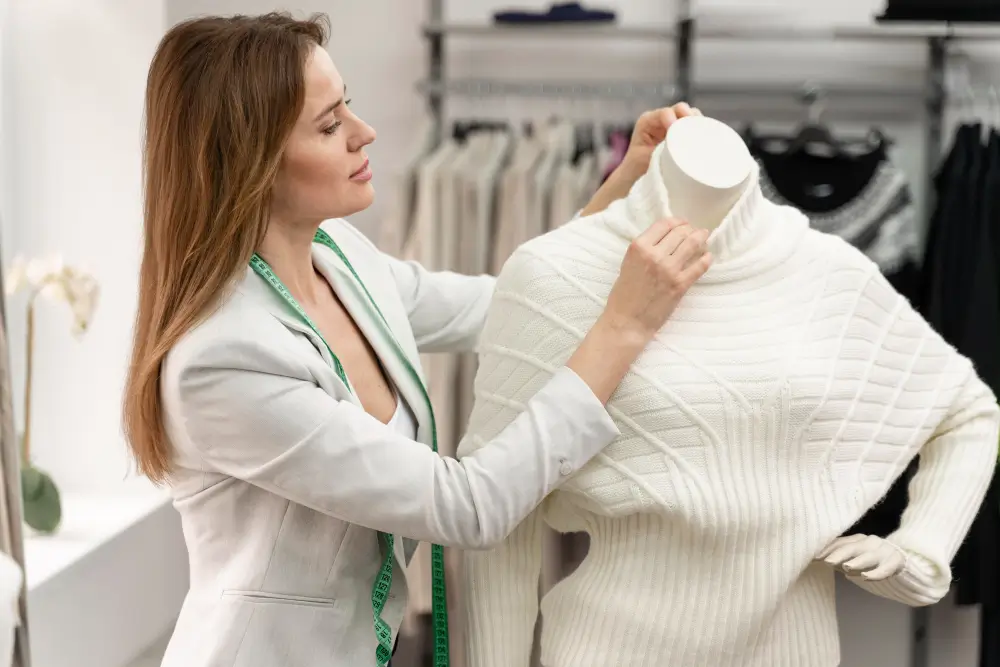
Taking good care of couture clothing is all about protecting it well over time and making sure every little detail stays perfect for many years. It goes well beyond simple cleaning. Expert couture fabric preservation addresses fiber stability, proper storage, and preventive measures that protect against wear, fading, and environmental degradation, whereas many services end at cleaning.
This proactive approach guarantees the integrity and vibrancy of delicate textiles, complex stitching, and embellishments. Professional couture cleaning maintains its original beauty and value by prioritizing preservation, providing a level of care that goes far beyond standard cleaning.
Common Mistakes That Permanently Damage Couture Fabrics
- Using home stain removers: Always rely on expert treatments for Haute couture fabrics because harsh chemicals can damage delicate fibers or change colors.
- Heat exposure from irons or dryers: High temperatures can shrink, distort, or damage delicate materials, requiring professional pressing.
- Excessive cleaning frequency: Over-washing can stress seams and embroidery, shortening the lifespan of luxury fabrics.
- Inappropriate storage bags and plastic covers: Non-breathable materials retain moisture, which can cause mold growth or fabric damage. Appropriate storage helps maintain the garment’s integrity.
Madame Paulette guarantees the long-term, secure maintenance of your Haute couture fabrics by avoiding these common mistakes.
When Couture Fabrics Need Restoration, Not Just Cleaning
When it comes to caring for couture clothing, cleaning and restoration serve different purposes. While cleaning removes surface stains and dirt, restoration addresses deeper issues caused by aging, wear, or environmental factors. Beads may come loose or break off, colors may fade, and delicate materials may weaken over time, problems that regular washing cannot resolve on its own.
To maintain the garment’s structural integrity and aesthetic look, professional restoration uses specific conservation processes to stabilize delicate areas, repair decorations, and correct discoloration. Long-term preservation of couture fabrics requires careful intervention to prolong their life and value.
Why Collectors and Fashion Houses Trust Professional Couture Care
Since haute couture garment care demands unmatched skill, accuracy, and respect for each piece’s heritage, collectors and fashion houses rely on professional services. Experts carefully preserve clothing, appreciating the beauty and craftsmanship in every stitch and fabric, exactly as they were when originally made.
This level of care, which goes beyond simple washing, preserves the exclusivity, history, and craftsmanship of couture pieces. Collectors and fashion businesses can safely protect their investments by entrusting their clothing to experts, knowing it will remain spotless and functional for future generations.
Caring for Couture Fabrics Between Professional Cleanings
To preserve their beauty and longevity, Haute couture fabrics require care even in between professional cleanings. When handling clothing, always do so gently to avoid stressing delicate needlework or seams. To prevent creasing and fiber strain, let the cloth rest on a padded hanger or in a breathable garment bag after use.
Additionally, it’s crucial to keep makeup, body oils, and fragrances away from the fabric, as they may eventually discolor or stain it. To avoid irreversible damage, get professional advice immediately if you see any visible soiling, loose decorations, or damage. Check out our VIP garment care for couture services for professional advice and specific treatments.
FAQs – Couture Fabrics
Why do couture fabrics require professional cleaning?
Couture fabrics are often made from delicate, high-value materials with intricate detailing that can be easily damaged by regular washing. Professional cleaning uses specialized techniques and gentle treatments to protect the fabric, structure, and finish while preserving the garment’s original quality.
How often should delicate couture fabrics be cleaned?
Delicate couture fabrics should be cleaned only when necessary, typically after visible soiling or occasional wear. Over-cleaning can damage fibers, so professional assessment helps identify the safest and most effective cleaning schedule.
Can vintage couture fabrics be safely restored?
Yes, vintage couture fabrics can often be safely restored when handled by experienced professionals. Specialized cleaning, gentle stain removal, and techniques for stabilizing fabric help revive the garment while preserving its original character and value.
Couture Fabric Care Is Both Science and Art
Couture fabric care is a careful balancing between handmade workmanship and technical knowledge, going much beyond simple washing. Each item of clothing demands both practical expertise and accuracy as well as a thorough understanding of textiles, dyes, construction, and aging. This methodical approach guarantees the preservation of fine details, structure, and beauty without compromising the piece’s integrity, which is crucial to the preservation of true couture fabrics.
Giving couture clothing to experts like Madame Paulette means giving it to experts who value the craftsmanship and history of each item. These professionals help preserve clothing not only for the present but also for future generations through careful inspection, personalized treatments, and age-old methods.